
🏛️ Pharaonic Era
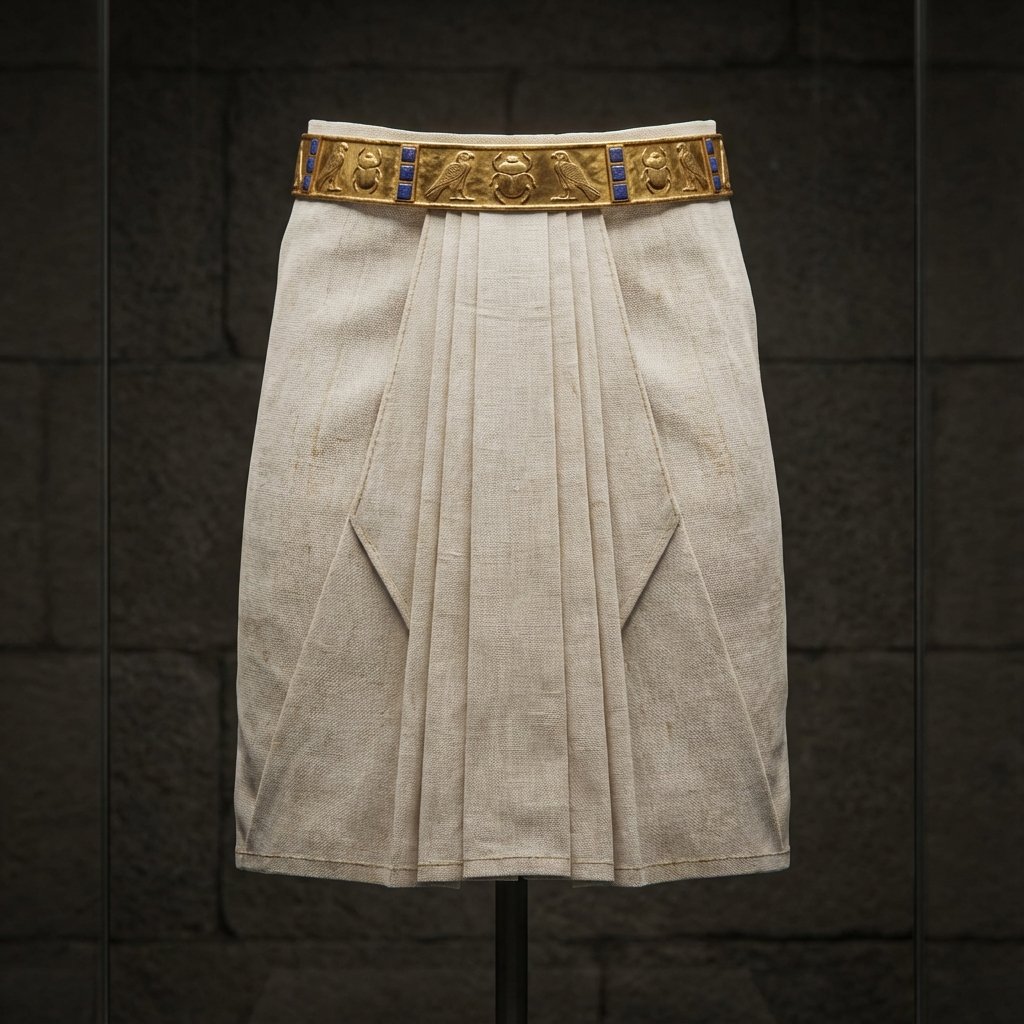
Shendyt - Royal Kilt
شنتيThe iconic pleated linen kilt worn by pharaohs and nobles. Made from the finest white linen, pleated meticulously, and held by a decorative belt. You've seen this on every pharaoh statue ever — that triangular front panel is the shendyt. Quality of pleating indicated social status. Priests wore them too. The fabric was so fine you could practically see through it, which in the Egyptian heat made total sense. Pharaohs had gold thread versions, obviously.
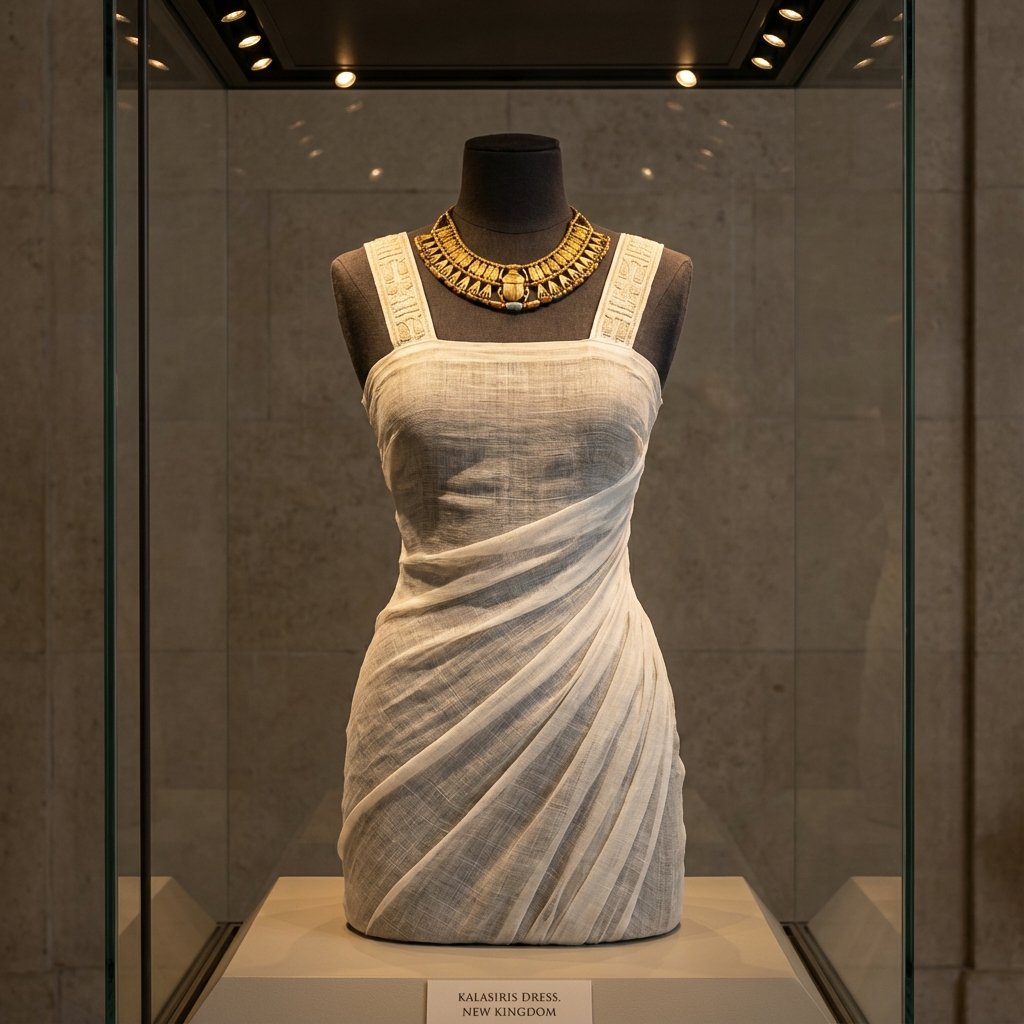
Kalasiris - Draped Dress
كلاسيريThe elegant draped dress worn by wealthy Egyptian women. Typically white linen, fitted at the top with straps, flowing down to the ankles. Some versions had one shoulder, some had two straps. The wealthy added gold jewelry everywhere. You'll recognize this from Nefertari's tomb paintings — that classic Egyptian silhouette. The fabric clung to the body, which shocked some Victorian archaeologists hilariously.
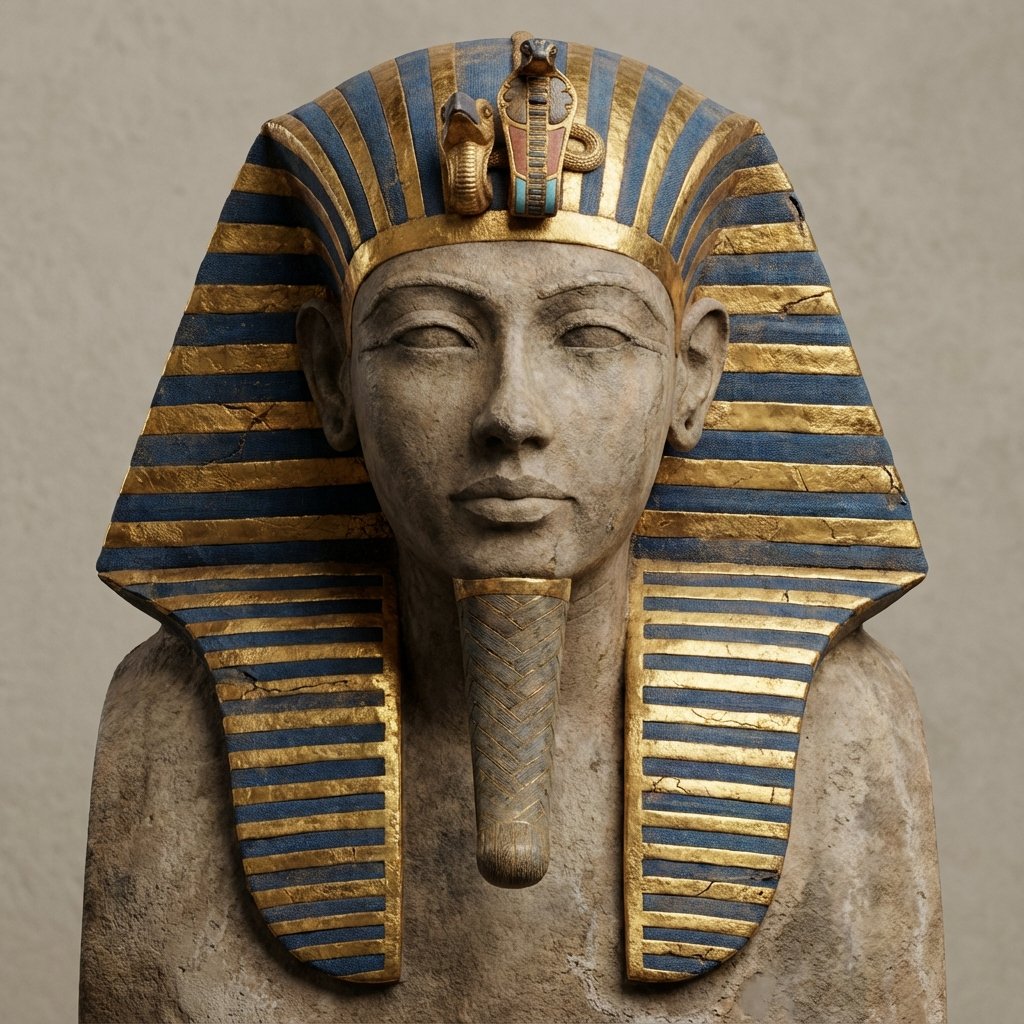
Nemes - Royal Headcloth
نمسThat striped headcloth every pharaoh wore — the blue and gold stripes are iconic. The fabric draped down the sides of the face and was tied in a queue at the back. You know it from Tutankhamun's death mask. Only royalty could wear the nemes with uraeus (cobra). The cloth itself was linen; the stripes were dyed or woven in. Simple design, maximum royal impact.
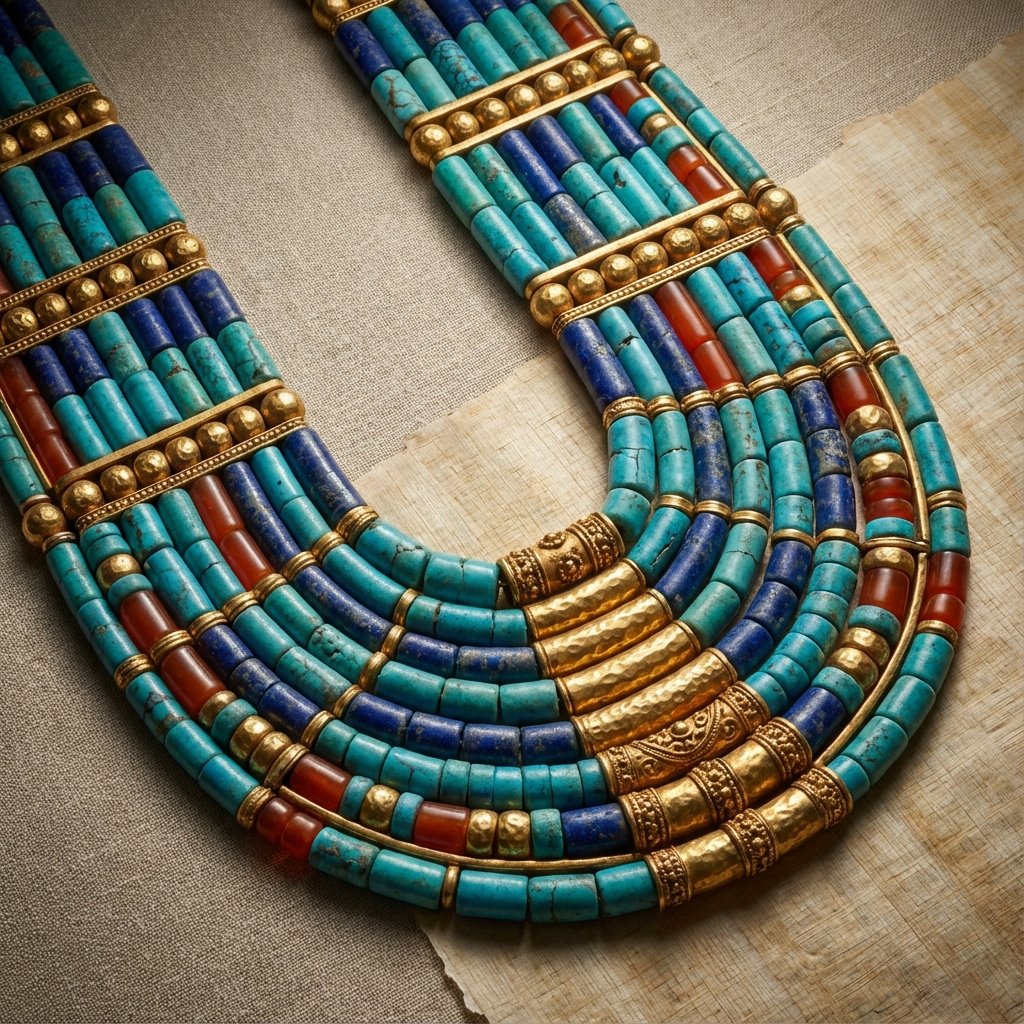
Usekh - Broad Collar
أوسخThe spectacular beaded collar that covered the shoulders and chest. Made from rows of tubular beads — faience, gold, precious stones. Both men and women wore these for formal occasions. The bigger and more elaborate, the higher your status. Tutankhamun's examples are absolute masterpieces. These get replicated as jewelry today, usually simplified.
🏛️ Coptic Period
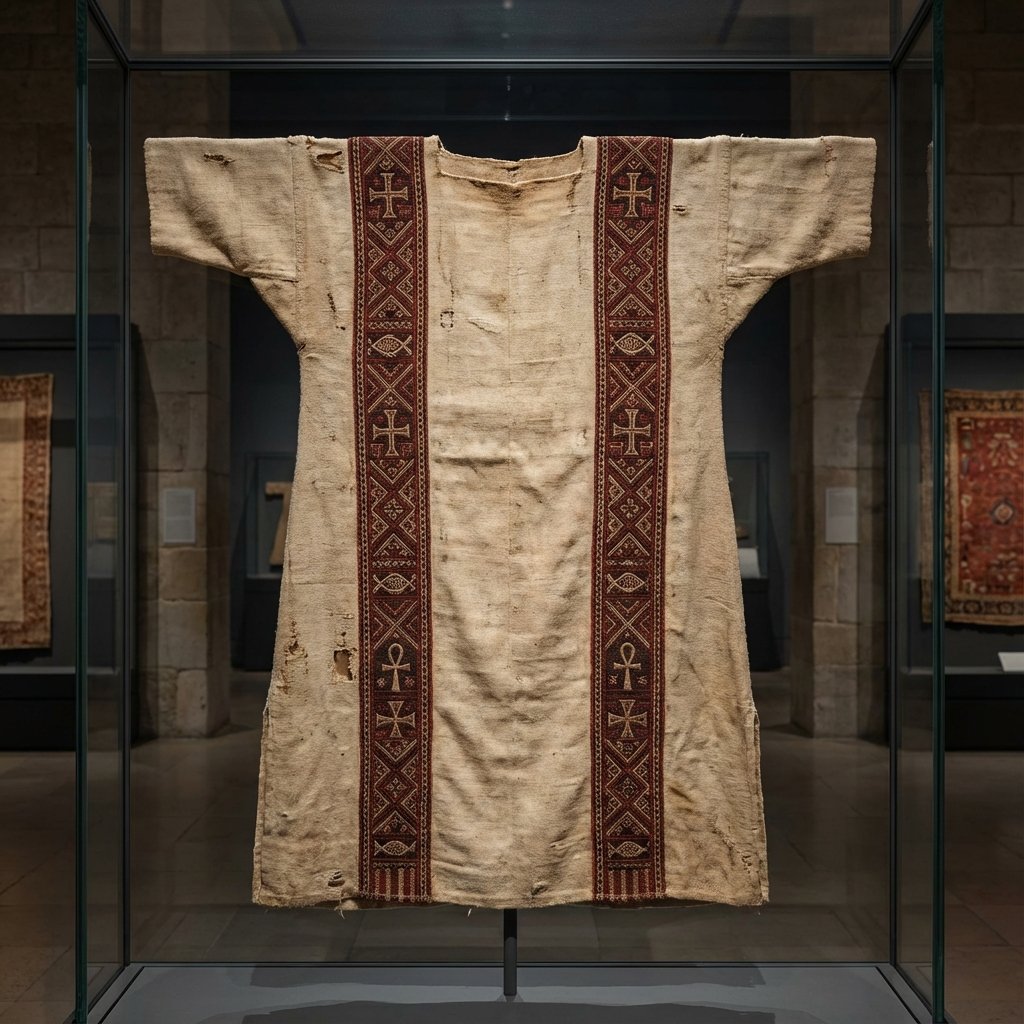
Coptic Tunic
التونيك القبطيSimple, practical tunics that replaced the elaborate pharaonic dress. Made from wool or linen, often decorated with woven tapestry bands featuring Christian symbols or geometric patterns. The decorative panels (clavi) ran from shoulder to hem. Coptic textiles are famous for their preservation in the dry Egyptian climate — museums worldwide have collections. Simpler aesthetic, sophisticated weaving techniques.
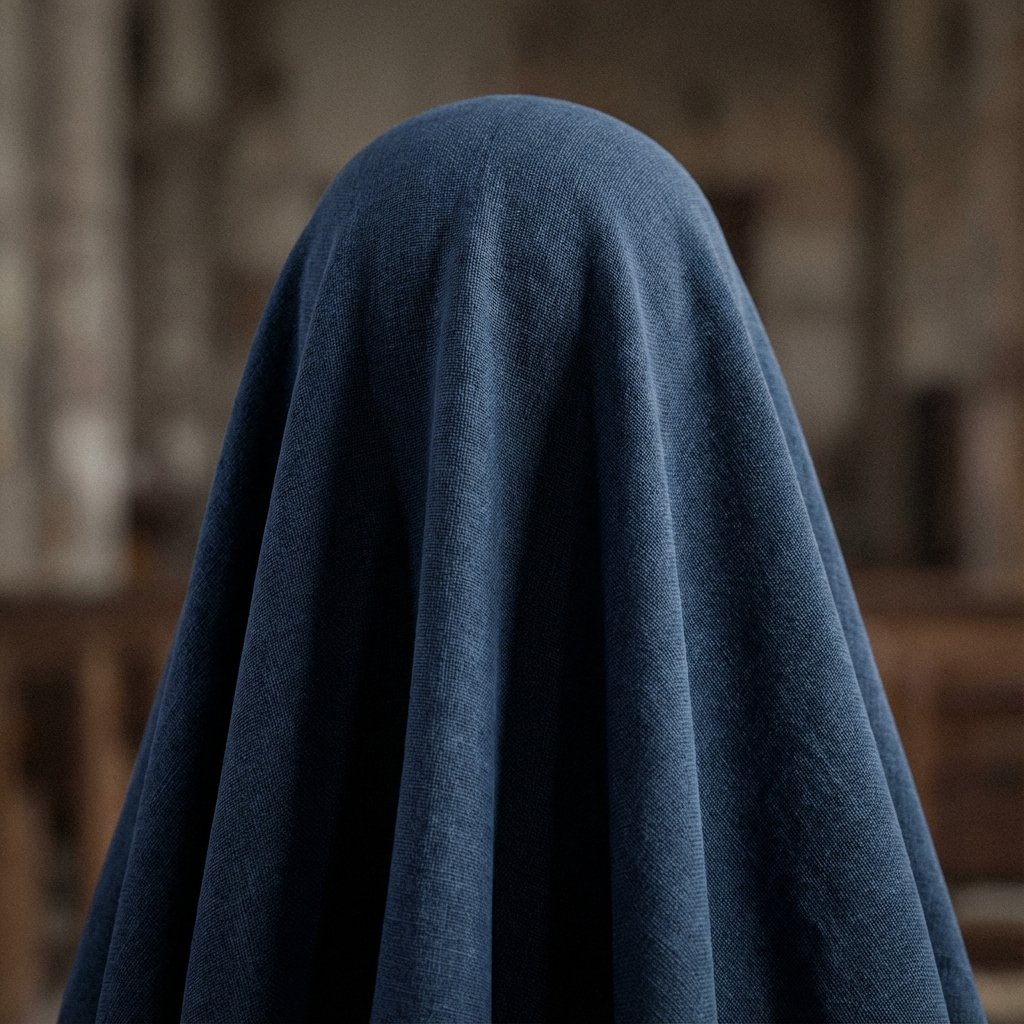
Coptic Veil/Head Covering
الطرحة القبطيةLong cloth veils worn by Coptic Christian women, especially during church. Usually white or dark colored, draped over the head and shoulders. The style influenced later Egyptian modest dress traditions. Still worn during Coptic liturgy today. Simple, dignified, practical for the climate.
🏛️ Islamic Era
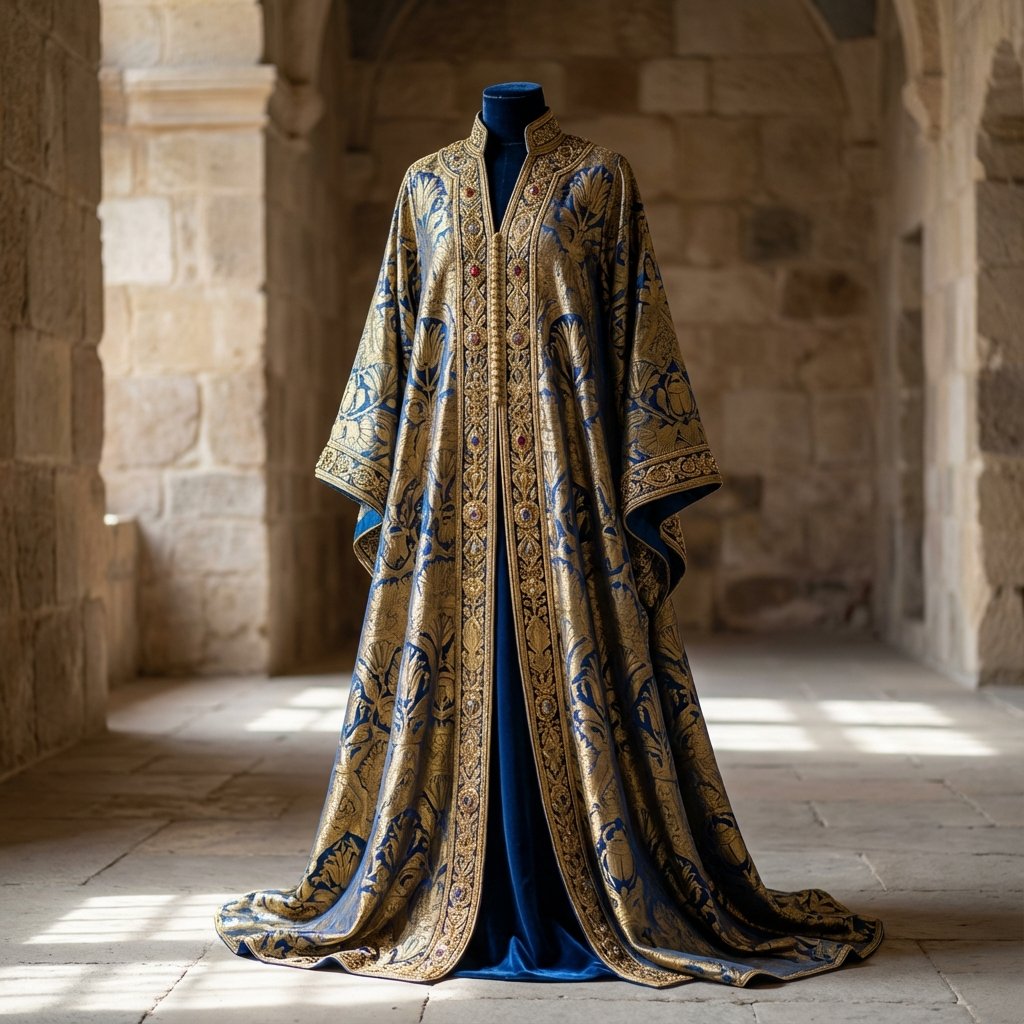
Caftan/Kaftan
القفطانThe elegant flowing robe that became popular under Mamluk and Ottoman influence. Long, often with elaborate embroidery, worn by wealthy classes. The Egyptian version had its own style — slightly different cut from Turkish or Persian versions. Silk or brocade for the rich, cotton for everyday. Still worn as formal dress for special occasions. That loose, flowing silhouette is classic Middle Eastern elegance.
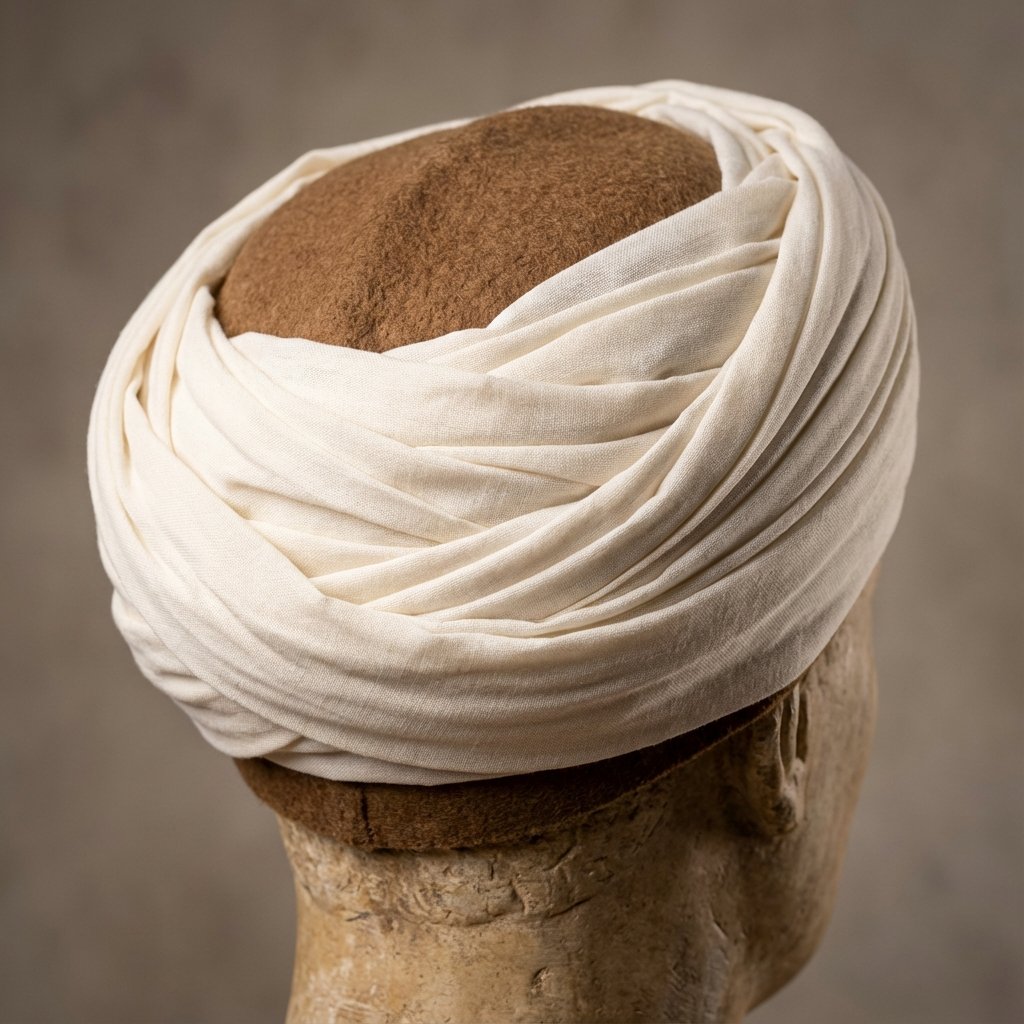
Imma/Turban
العمامةThe wrapped headdress worn by religious scholars, judges, and certain professionals. Color and wrapping style indicated profession and status — white for religious scholars, green for descendants of the Prophet, etc. The art of wrapping a turban properly is a skill. Still worn by religious figures and some traditional occasions. Each region has slight variations in style.
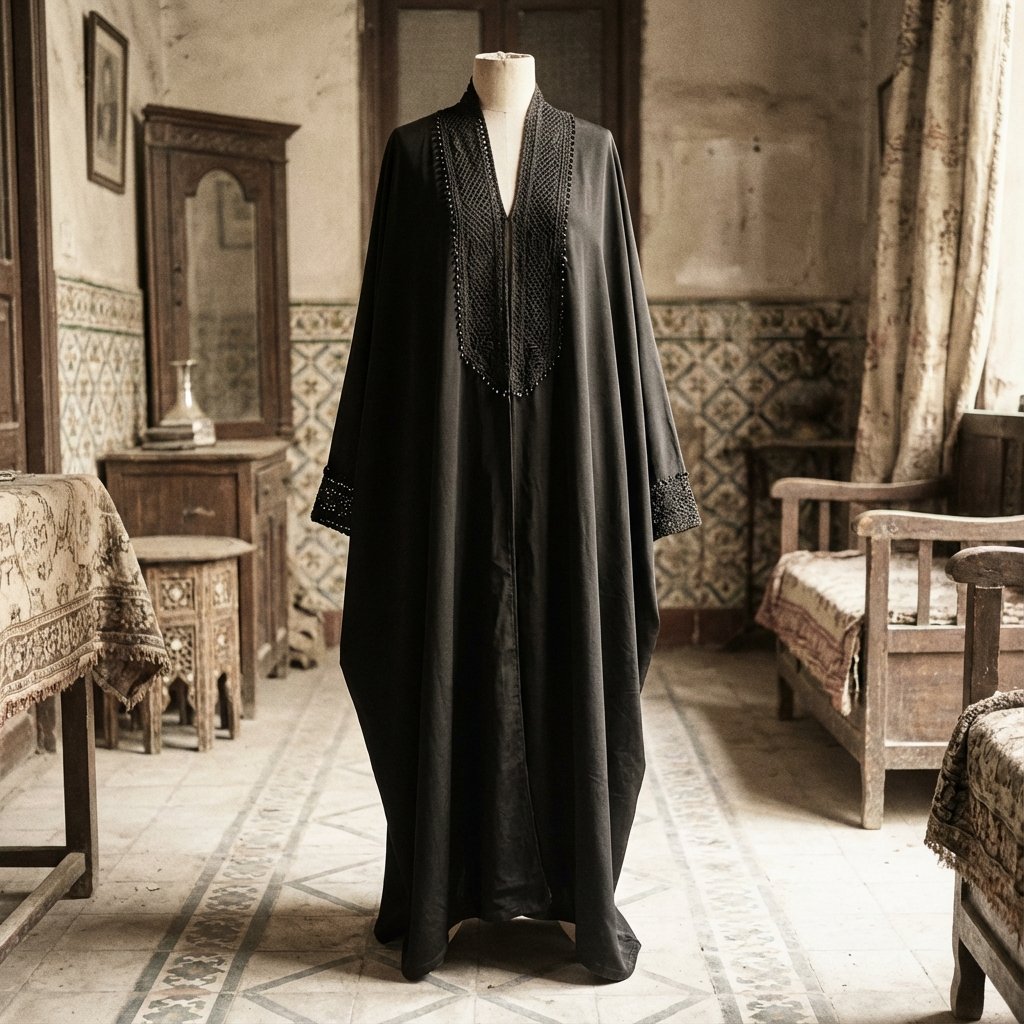
Milaya Laff - Wrapped Cloak
الملاية اللفThe famous black silk cloak wrapped around the body that Cairo women wore as outdoor covering. Held closed with one hand in a characteristic graceful pose. Look at any old photos of Egyptian women pre-1950s and you'll see the milaya. Now mostly worn by older generation in traditional areas. Elegant, practical, with that distinctive wrapped draping.
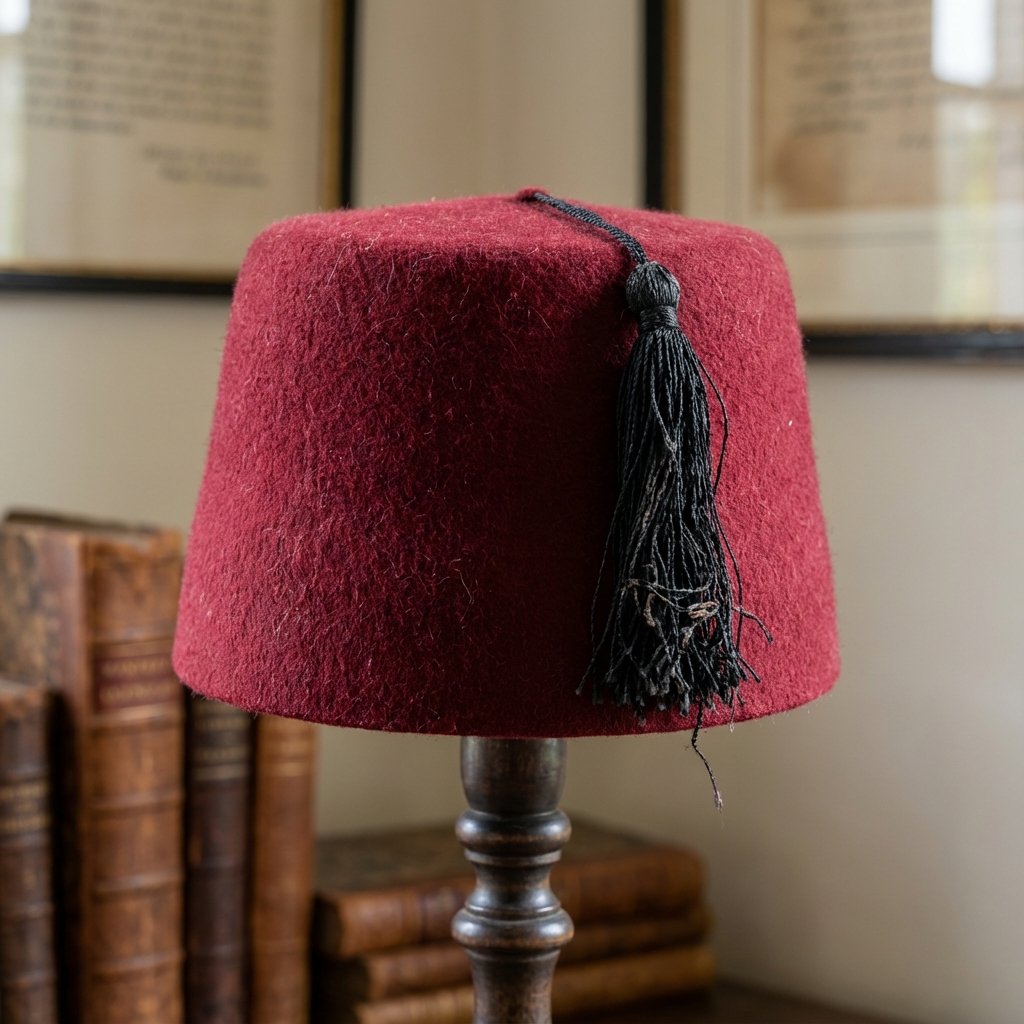
Tarboush/Fez
الطربوشThe iconic red felt hat with black tassel. Originally introduced from Morocco/Ottoman influence, became distinctly Egyptian during the khedival period. Mandatory formal wear for officials for decades. Now rarely worn except for folklore or special occasions. That silhouette is immediately recognizable as vintage Egyptian.
🌍 Nubian Region
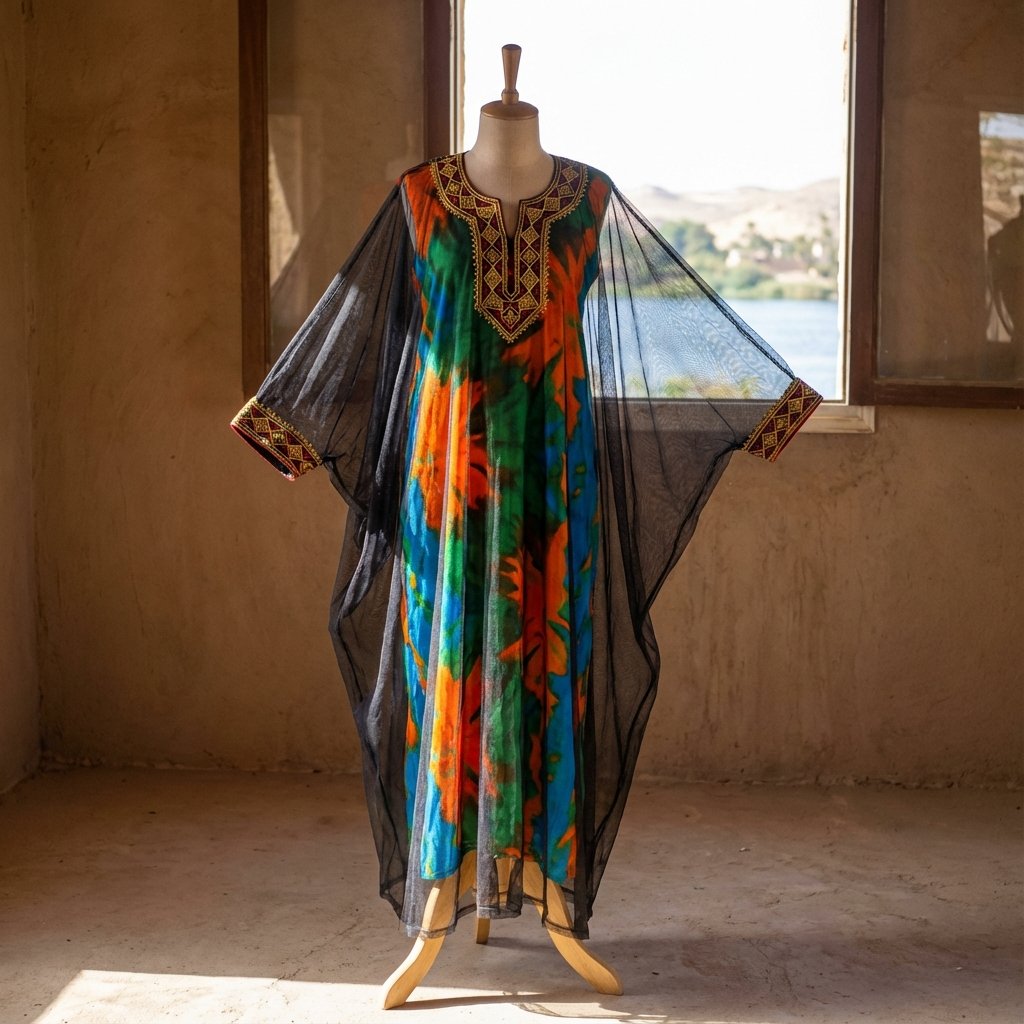
Gargar - Nubian Dress
الجرجارThe vibrant, colorful dresses worn by Nubian women. Bright colors — orange, yellow, green — with bold patterns. Completely different aesthetic from the rest of Egypt. The fabric is usually semi-transparent over a colored underdress. Gold jewelry and elaborate beadwork complete the look. Visit any Nubian village near Aswan and you'll see these stunning outfits. The color palette is joyful and distinctive.
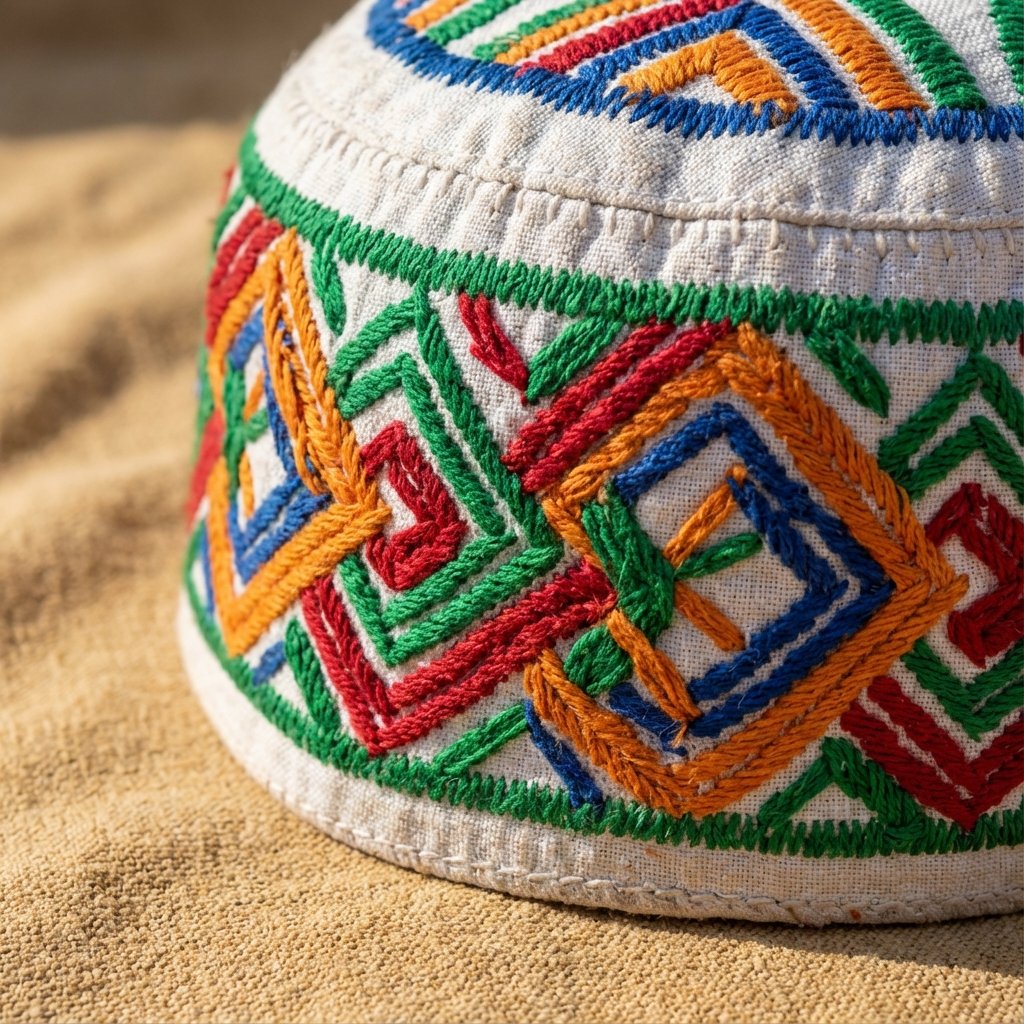
Nubian Skullcap
الطاقية النوبيةDecorative embroidered caps worn by Nubian men. Often white with colorful geometric embroidery. Different patterns can indicate village of origin. The craftsmanship is beautiful — each cap hand-embroidered. You can buy these as souvenirs in Aswan. Practical for sun protection, beautiful as accessories.
💡 Salem's Insight
If you visit a Nubian village in Aswan (or even the Nubian market here in Hurghada), pay attention to the colors. Nubian culture LOVES bright, contrasting colors—it's a celebration of life against the desert backdrop. Buying a Nubian skullcap (Taqiyah) is one of the most authentic souvenirs you can get.
🌍 Upper Egypt (Saidi)
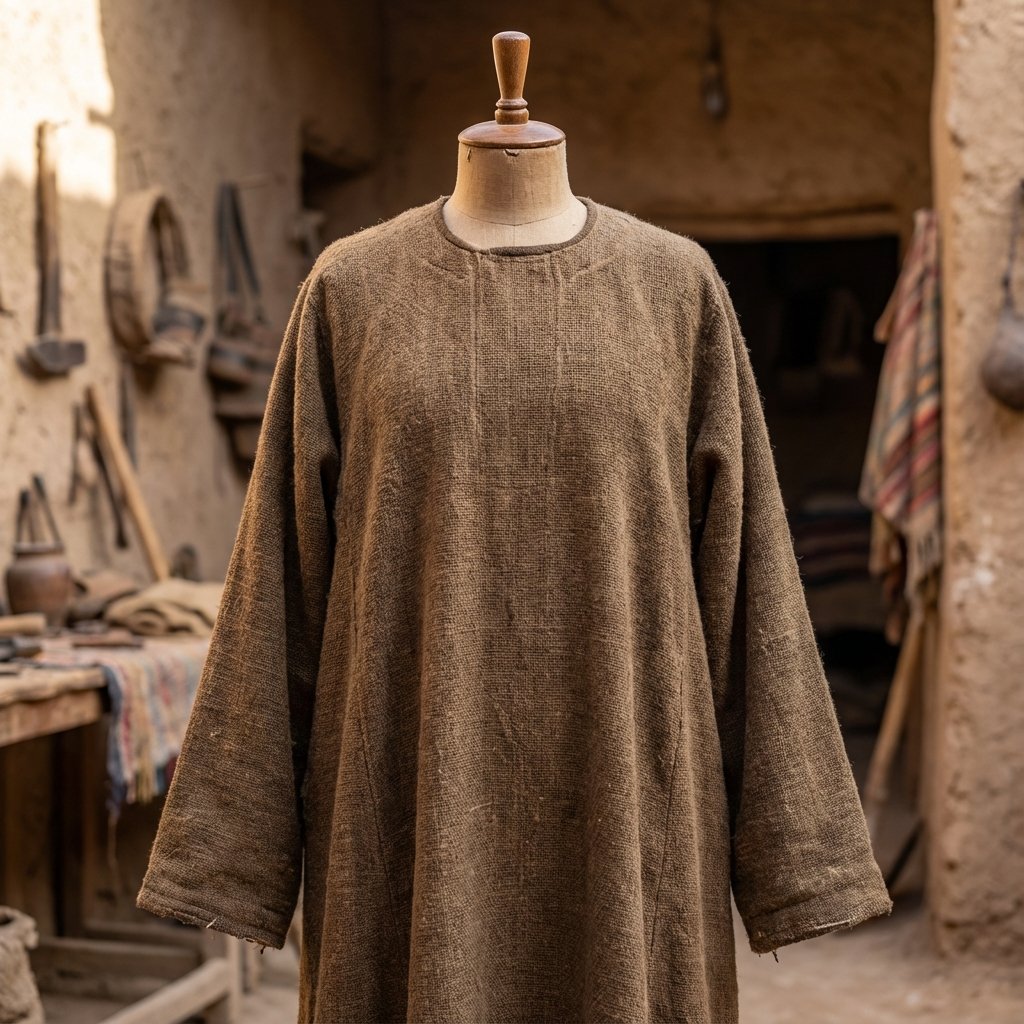
Galabiya Saidi - Upper Egyptian Robe
الجلابية الصعيديThe classic Egyptian man's garment, but the Upper Egyptian version. Looser, often in earth tones — brown, beige, grey. More conservative than city versions. Worn with a headscarf (imma) or skullcap. Every Taxi driver from Luxor, every farmer from Assiut — this is the uniform of traditional Upper Egypt. Simple, practical, been worn for centuries.
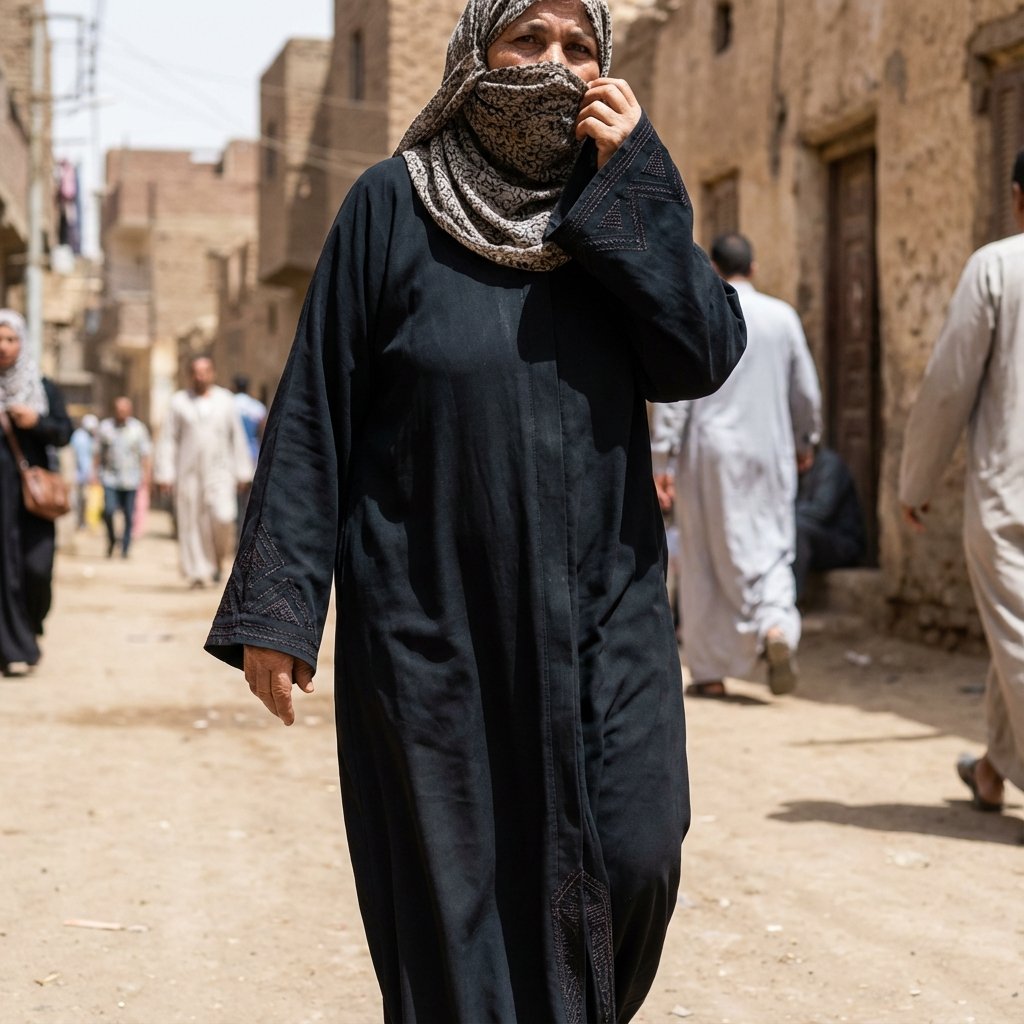
Abaya - Outer Cloak
العباءةThe outer black cloak worn over other clothes, especially for outdoor and formal occasions. Similar to Gulf styles but with Egyptian characteristics. Provides modesty and protects from dust/sun. Some have decorative embroidery around edges. Common sight in villages and traditional areas.
🌍 Bedouin Desert
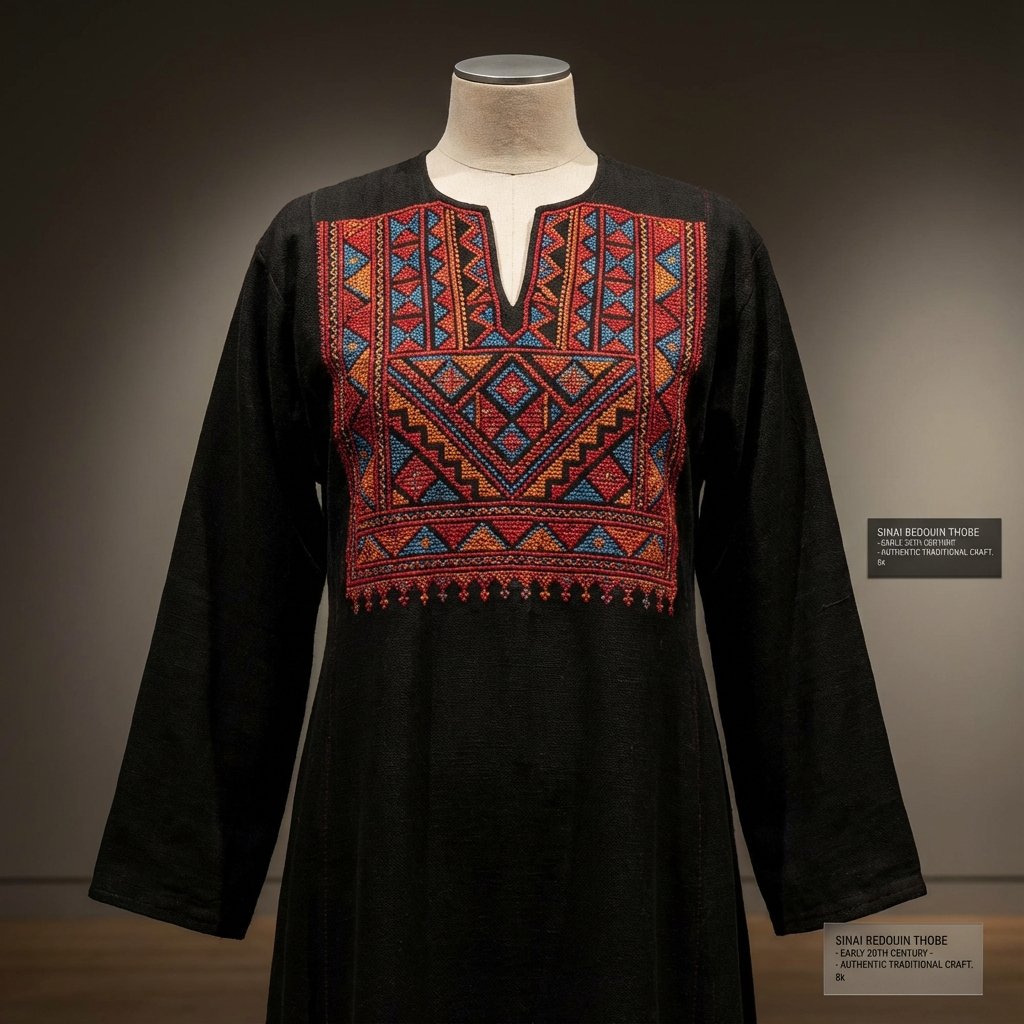
Bedouin Thobe
الثوب البدويTraditional Bedouin women's dress, usually black with intricate embroidery. The embroidery patterns can identify which tribe the wearer belongs to. Red, blue, and green threads create geometric patterns. Some dresses take months to complete. Still worn, especially by older generations in Bedouin communities. Each region — Sinai, Western Desert — has distinct styles.
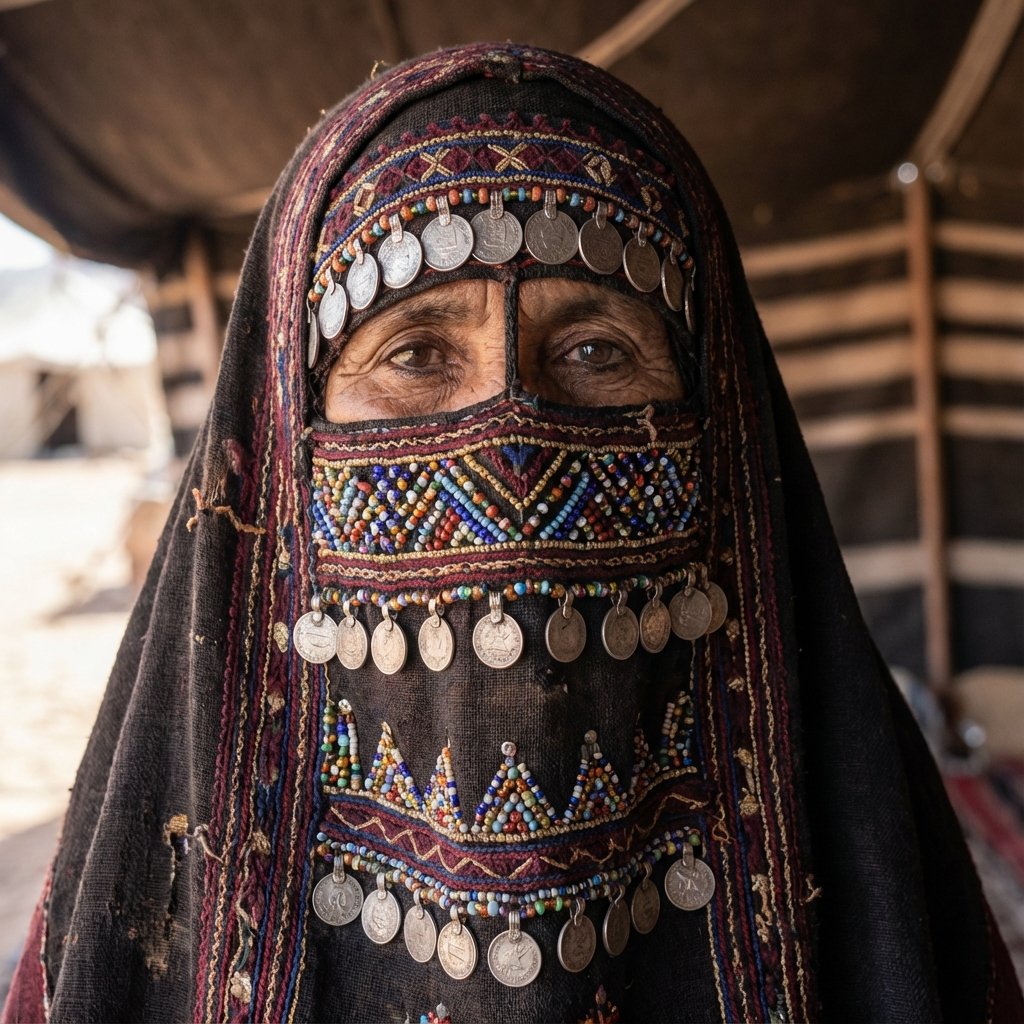
Bedouin Burqa
البرقع البدويNot the full-face covering you might imagine — the Sinai Bedouin burqa is a decorated face veil/mask, often with coins and beadwork. More of an identity marker and jewelry than religious covering. The metallic decorations catch light beautifully. You'll see these in authentic Bedouin safari experiences around Hurghada and Sinai. Distinctive and striking.
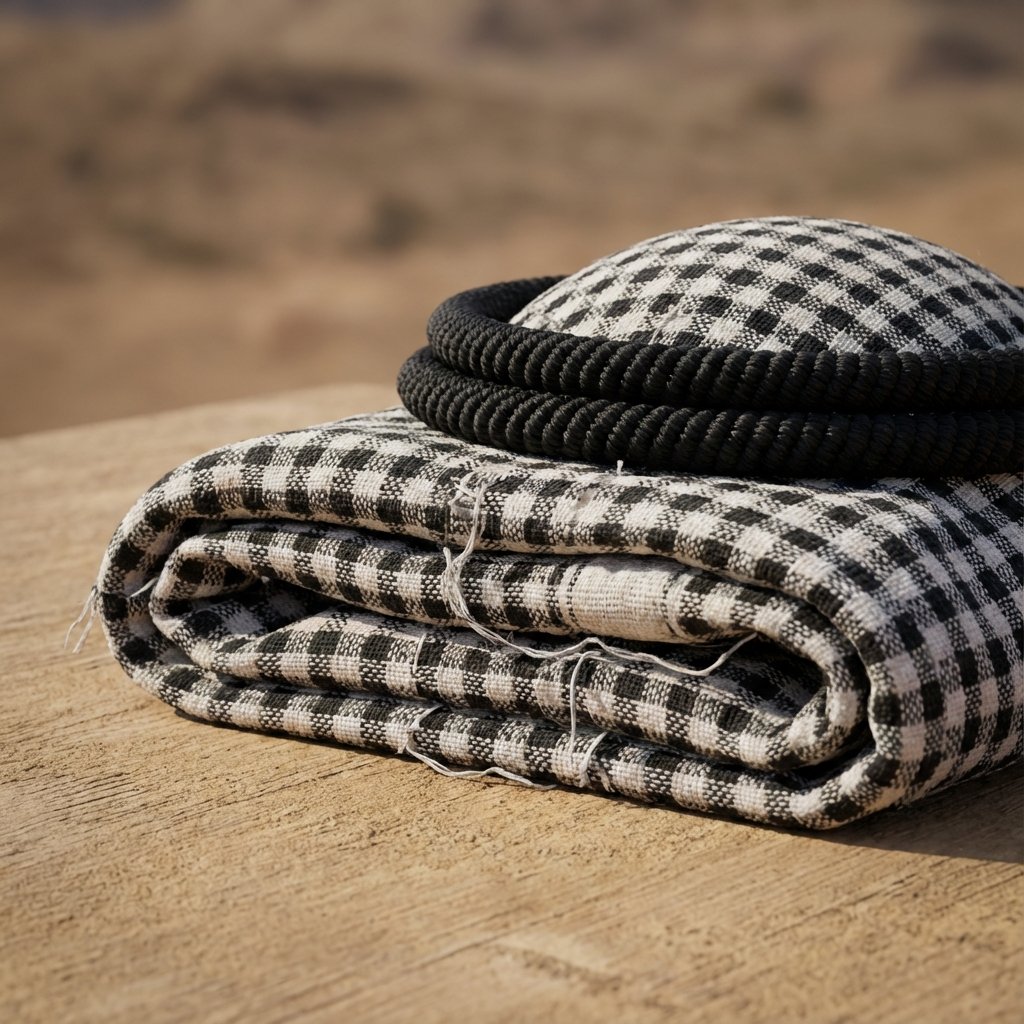
Kufiya/Headscarf
الكوفيةThe traditional checkered headscarf, usually black and white or red and white. Worn by men, secured with an agal (cord). Practical desert wear — protects from sun, sand, and wind. Different folding and wearing styles in different regions. Universal across Bedouin communities and now somewhat fashionable globally.
🌍 Urban/Cairo
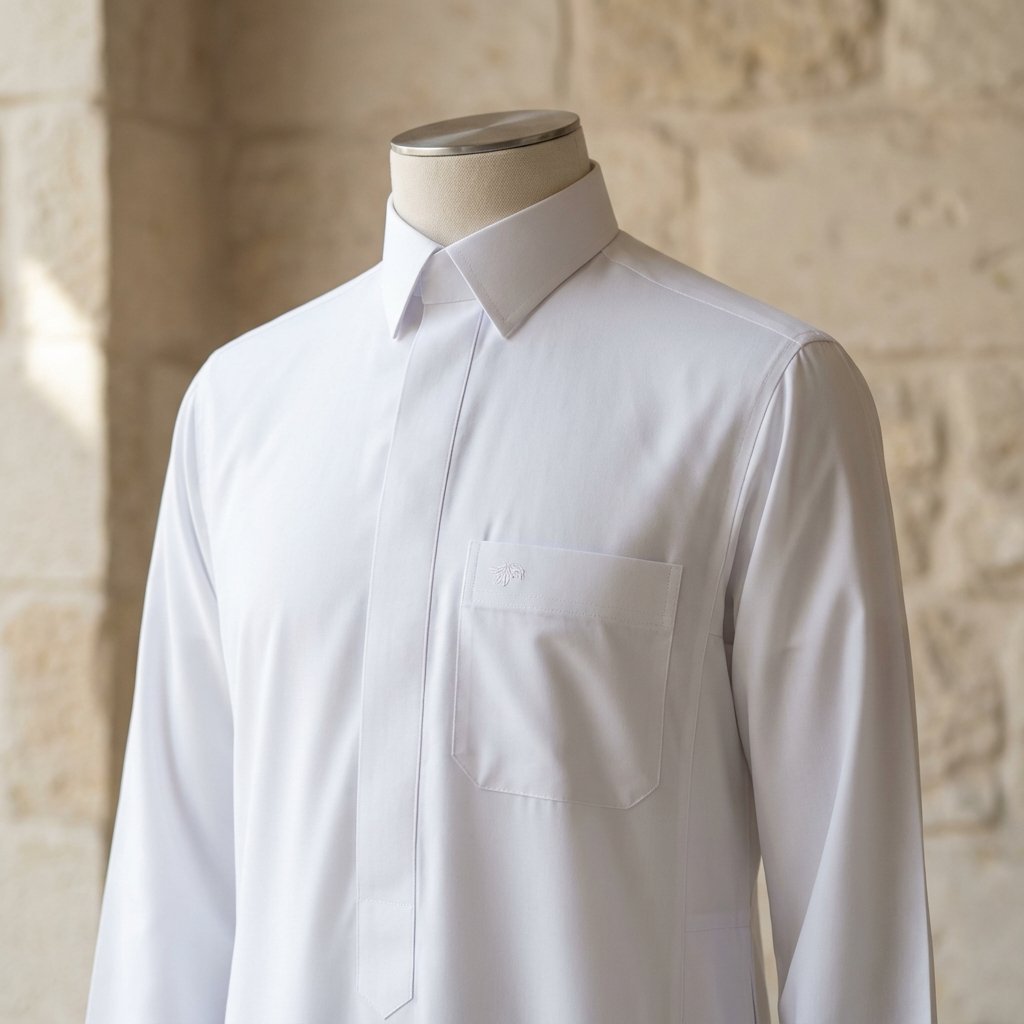
White Galabiya - Urban Egyptian
الجلابية البيضاءThe crisp white galabiya worn by urban Egyptian men — the Friday prayer outfit, the special occasion standard. Cleaner, more fitted than rural versions. Often paired with a white skullcap. The fabric should have that sharp, freshly laundered look. You'll see crowds of men in white heading to Friday prayers. Simple but dignified.
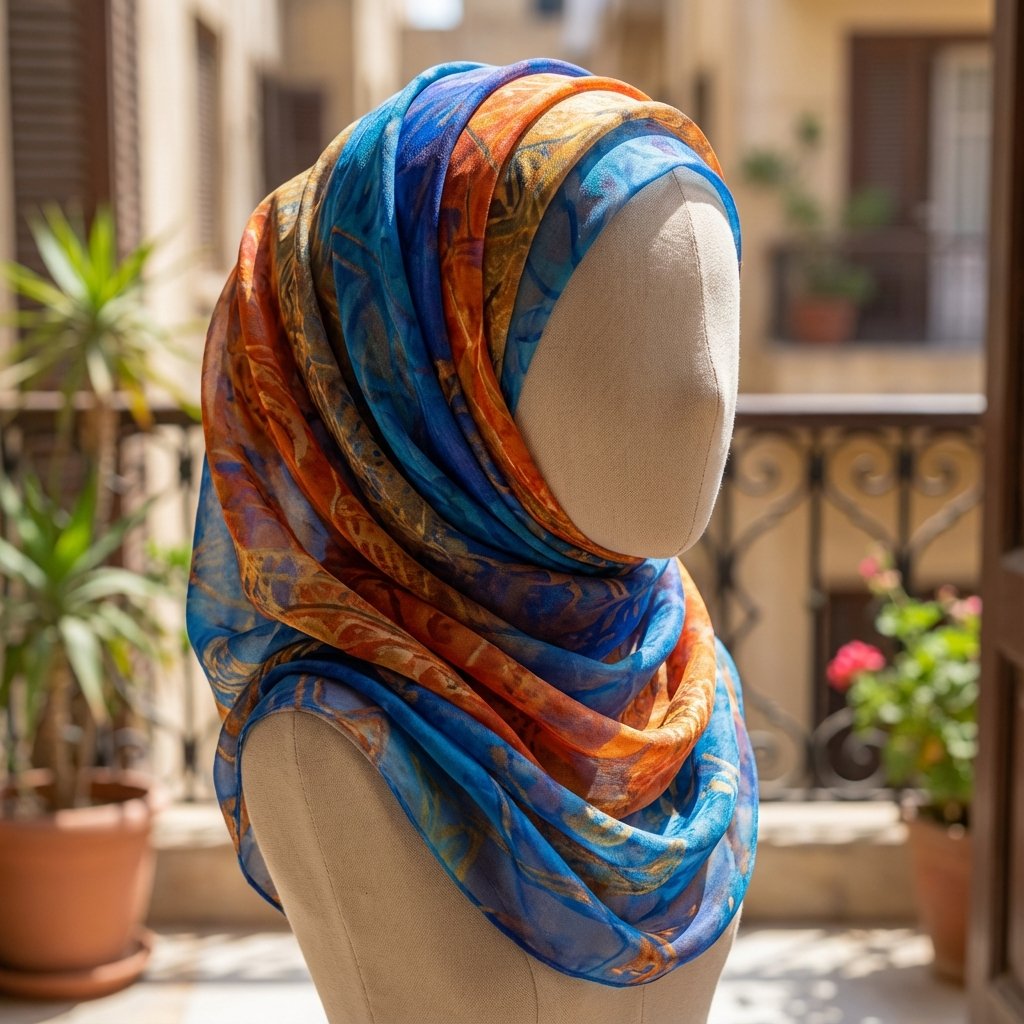
Egyptian Hijab Style
الحجاب المصريThe contemporary Egyptian way of wearing hijab — often colorful, layered, styled in various ways. Different from Gulf styles, different from Turkish styles. Cairo has its own fashion scene for modest wear. Designers, boutiques, trends. Young Egyptian women have made hijab fashion into an art form.
💡 Modern Context
You might see young Egyptians wearing jeans and t-shirts, but the "White Galabiya" commands instant respect. It's the equivalent of a western tuxedo for Friday prayers and family gatherings. If you buy one, go for 100% cotton—the polyester ones are sweat traps!
🌍 Canal Cities
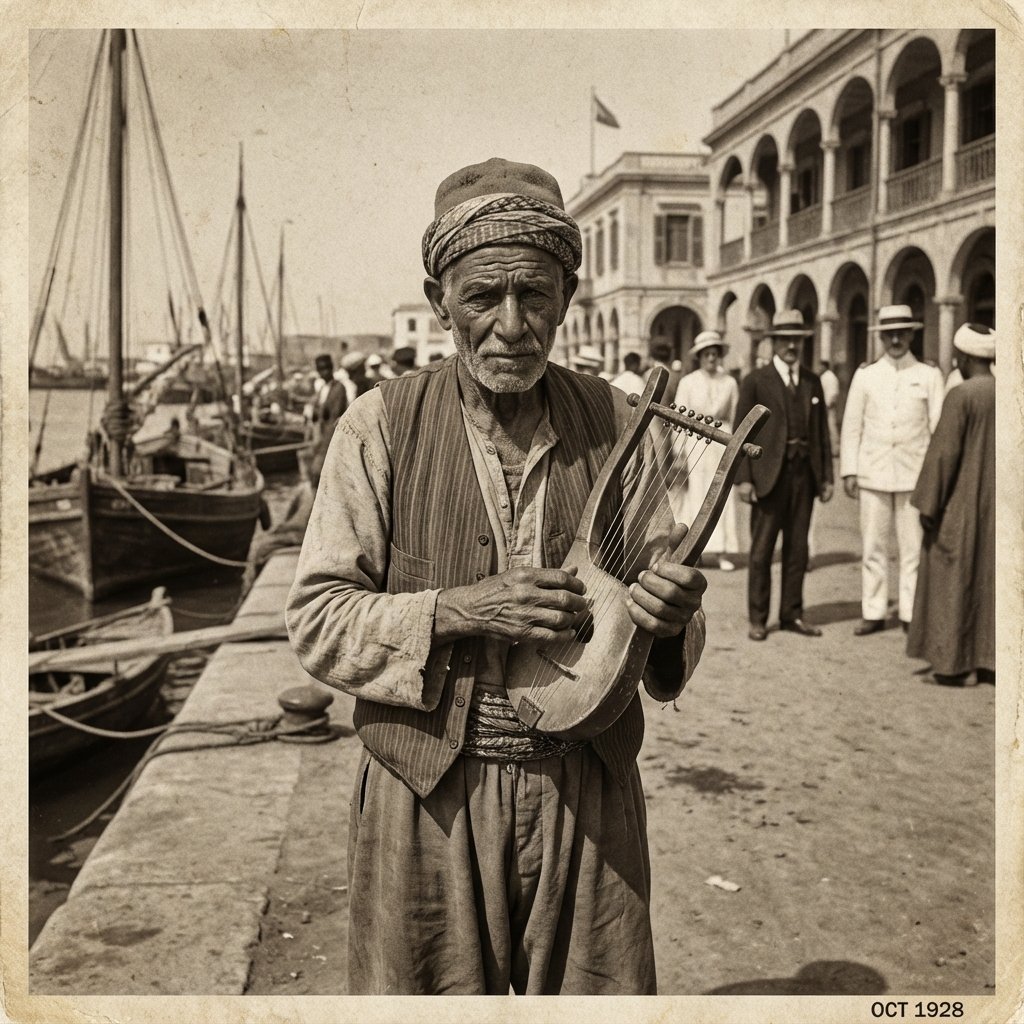
Port Said Traditional Dress
الخليج الدوري السويسيPort Said, Ismailia, and Suez developed unique local styles influenced by their multicultural trading port character. Mix of Egyptian, Greek, Italian, and European influences from the Canal period. The result is slightly different from rest of Egypt — more cosmopolitan historically. Traditional photos from these cities show interesting fusion styles. Now mostly assimilated into general Egyptian urban dress.